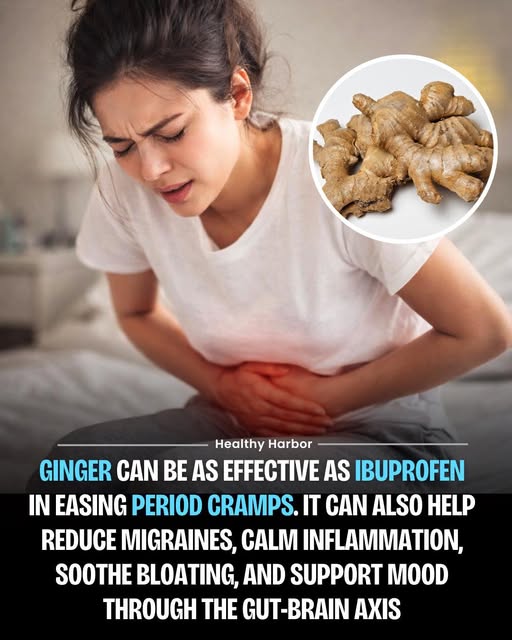
Ginger has long been used in cooking and traditional wellness practices, and modern research has explored its effects on nausea, inflammation, and certain types of pain. Because of this, many headlines compare ginger vs painkillers—but the reality is more nuanced.
Ginger is not a direct replacement for all pain medication, yet it may help with some mild discomforts and can be a useful complementary option in certain situations.
How Ginger May Help With Pain
Ginger contains natural compounds such as gingerols and shogaols, which have anti-inflammatory effects. Inflammation can contribute to pain, especially in conditions like muscle soreness or osteoarthritis.
Some studies suggest ginger may modestly help with:
1. Menstrual Cramps
There is evidence ginger may reduce period pain for some people.
2. Muscle Soreness
It may help slightly with exercise-related soreness.
3. Osteoarthritis Discomfort
Some people report mild improvement in joint pain and stiffness.
4. Headache or General Mild Discomfort
Indirectly, ginger may help some people—especially if nausea is also involved.
How It Compares to Painkillers
Over-the-Counter Painkillers (Like Ibuprofen or Acetaminophen)
These are generally:
- Faster acting
- More predictable in dosing
- Stronger for moderate pain
- Better studied for acute pain relief
Ginger Is Generally:
- Milder in effect
- Slower to notice benefits
- Better suited for regular use in some cases
- More supportive than immediate rescue relief
So “ginger beats painkillers” is usually an exaggerated claim.
When Ginger May Be Worth Trying
Ginger can be a reasonable option for:
- Mild aches
- Menstrual discomfort
- Daily wellness routines
- Nausea plus discomfort
- People looking to reduce reliance on medications (with medical guidance)
Easy Ways to Use Ginger
Ginger Tea
- Fresh sliced ginger
- Hot water
- Optional lemon or honey
Food Use
- Stir-fries
- Soups
- Smoothies
- Curries
Powdered Ginger
Can be added to drinks or oatmeal in small amounts.
Important Safety Notes
Ginger is not risk-free. It may:
- Cause heartburn or stomach irritation
- Interact with blood thinners
- Affect blood sugar in some people
- Increase bleeding risk before surgery
Speak with a healthcare professional if you take medications or have health conditions.
When Painkillers Are More Appropriate
Seek proper care for:
- Severe pain
- Sudden unexplained pain
- Injury pain
- Chest pain
- Persistent headaches
- Fever with pain
- Chronic worsening pain
These situations need proper evaluation, not just ginger tea.
