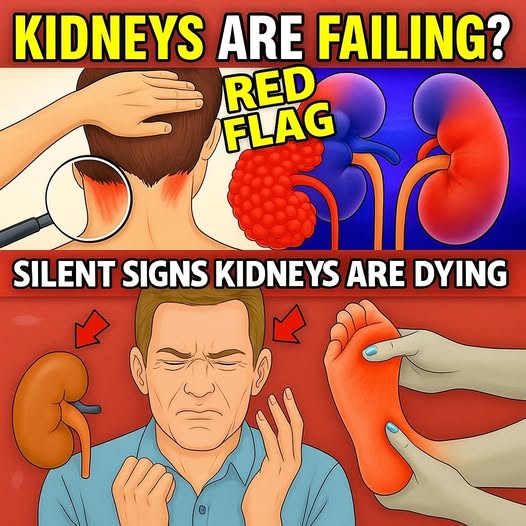
Your kidneys work quietly every day to filter waste, balance fluids, regulate minerals, and support blood pressure and red blood cell production. Because they can compensate for a long time, kidney problems may develop with few or vague symptoms early on. That’s why chronic kidney disease is often called “silent.”
Important note: these signs do not automatically mean kidney failure. Many can happen for other reasons. But persistent symptoms deserve medical evaluation—especially if you have diabetes, high blood pressure, heart disease, a family history of kidney disease, or are older.
1. Swelling in Feet, Ankles, Hands, or Around the Eyes
When kidneys struggle to remove excess fluid and sodium, swelling (edema) can develop. Puffy eyes in the morning or tighter shoes/rings can be clues.
2. Changes in Urination
Watch for:
- Foamy urine
- Blood in urine
- Needing to urinate more often, especially at night
- Reduced urine output
- Trouble urinating
Urinary changes are common warning signs.
3. Ongoing Fatigue or Weakness
Kidney disease can contribute to anemia and waste buildup, both of which may cause low energy, weakness, and reduced stamina.
4. Loss of Appetite, Nausea, or Metallic Taste
Waste products accumulating in the blood can affect appetite and cause nausea or a strange taste in the mouth.
5. Persistent Itching
Mineral imbalances and waste buildup can sometimes cause widespread itching, especially without an obvious skin cause.
6. Shortness of Breath
Fluid overload, anemia, or heart strain related to kidney issues can lead to breathlessness.
7. High Blood Pressure That’s Hard to Control
Kidneys and blood pressure are closely linked. Kidney disease can cause high blood pressure, and high blood pressure can damage kidneys.
8. Trouble Concentrating or Brain Fog
Fatigue, anemia, sleep disruption, or toxin buildup can affect concentration and mental clarity.
9. Muscle Cramps
Electrolyte imbalances (such as calcium, potassium, magnesium issues) may contribute to cramping.
10. Unexplained Weight Loss or Feeling Unwell
Advanced kidney disease can cause general malaise, appetite loss, and unintentional weight changes.
Signs That Need Urgent Medical Care
Seek prompt care if you have:
- Very little or no urine output
- Severe swelling
- Chest pain
- Severe shortness of breath
- Confusion
- Blood in urine with pain or clots
- Severe vomiting
- Sudden weakness or fainting
Who Should Get Checked Even Without Symptoms
Consider regular screening if you have:
- Diabetes
- High blood pressure
- Heart disease
- Obesity
- Family history of kidney disease
- History of kidney stones or recurrent urinary infections
- Age 60+
Simple Tests Doctors Use
Kidney disease is often found through:
- Blood creatinine / eGFR
- Urine albumin or protein test
- Blood pressure checks
- Electrolytes
- Sometimes ultrasound
How to Protect Kidney Health
- Control blood pressure and blood sugar
- Stay hydrated appropriately
- Limit excess salt
- Avoid smoking
- Maintain healthy weight
- Use NSAID painkillers carefully and only as directed
- Keep follow-up appointments
Bottom Line
Kidney disease can be easy to miss because symptoms are often subtle at first. Swelling, urine changes, fatigue, itching, and uncontrolled blood pressure are important clues—but only testing can confirm kidney problems. If these signs are persistent, getting evaluated early can make a major difference.
