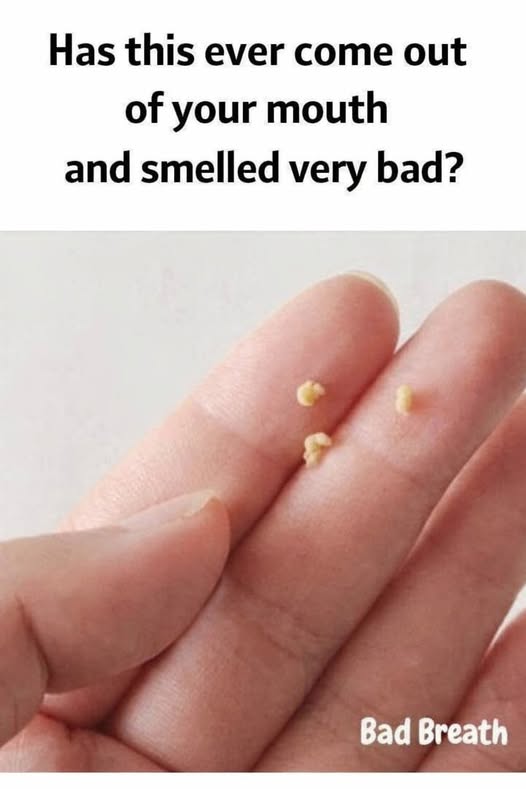
Bad breath, also known as halitosis, is a common problem that can affect confidence, relationships, and daily comfort. Many people notice it when they wake up, after eating certain foods, or during conversations when someone reacts unexpectedly. While occasional bad breath is normal, persistent unpleasant mouth odor may signal an underlying issue that needs attention.
The good news is that bad breath can often be improved with better oral hygiene, lifestyle changes, and proper treatment of the root cause. Understanding why your mouth smells bad is the first step toward fresher breath and better oral health.
What Causes Bad Breath?
Bad breath can happen for many different reasons. Some are temporary and harmless, while others may require medical or dental care.
1. Poor Oral Hygiene
The most common cause of bad breath is not cleaning the mouth properly. Food particles left between teeth, on the tongue, and along the gums can break down and create unpleasant odors. Bacteria feed on these particles and release sulfur compounds that smell foul.
Brushing twice daily, flossing, and cleaning the tongue can significantly reduce odor-causing bacteria.
2. Dry Mouth
Saliva helps wash away food particles and bacteria. When the mouth becomes dry, bacteria grow more easily and odor becomes stronger. Dry mouth often happens due to:
- Sleeping with the mouth open
- Dehydration
- Certain medications
- Smoking
- Stress
- Salivary gland problems
Many people notice stronger breath odor in the morning because saliva production decreases during sleep.
3. Tongue Bacteria
The tongue, especially the back surface, can trap bacteria, food debris, and dead cells. This coating may appear white or yellowish and often causes a strong smell. Using a tongue scraper or gently brushing the tongue daily can help.
4. Gum Disease
Inflamed gums, bleeding gums, or periodontal disease can create chronic bad breath. Bacteria hiding below the gum line release foul-smelling toxins. If your gums bleed when brushing or look swollen, a dental checkup is recommended.
5. Tooth Decay or Infections
Cavities, broken teeth, abscesses, or trapped food around dental work can lead to unpleasant odors. These problems usually need professional dental treatment.
6. Foods and Drinks
Some foods naturally cause temporary bad breath, including:
- Garlic
- Onion
- Spicy foods
- Coffee
- Alcohol
After digestion, odor-causing compounds can enter the bloodstream and be released through the lungs.
7. Smoking and Tobacco Use
Smoking dries the mouth, stains teeth, damages gums, and leaves a lingering smell. Tobacco users are also at greater risk of gum disease, which can worsen bad breath.
8. Digestive or Medical Conditions
Sometimes bad breath comes from health conditions such as:
- Acid reflux
- Sinus infections
- Tonsil stones
- Diabetes
- Liver disease
- Kidney disease
- Respiratory infections
If bad breath continues despite good hygiene, a medical cause should be considered.
Signs You Should Not Ignore
Persistent bad breath may need professional attention if you also have:
- Bleeding gums
- Tooth pain
- Loose teeth
- White coating on tongue
- Dry mouth all the time
- Sour taste or heartburn
- Frequent sore throat
- Tonsil stones
- Metallic taste
- Bad breath that returns quickly after brushing
Solutions for Bad Breath
1. Brush Properly Twice a Day
Brush for at least two minutes using fluoride toothpaste. Clean all tooth surfaces and along the gum line.
2. Floss Daily
Floss removes food and plaque between teeth where a toothbrush cannot reach.
3. Clean Your Tongue
Use a tongue scraper or toothbrush to gently clean the tongue every day. This can dramatically improve breath odor.
4. Stay Hydrated
Drink enough water throughout the day. A moist mouth helps control bacteria naturally.
5. Use Alcohol-Free Mouthwash
Some mouthwashes help reduce bacteria and freshen breath. Alcohol-free formulas are often better because alcohol can dry the mouth.
6. Chew Sugar-Free Gum
Chewing gum stimulates saliva flow, especially after meals.
7. Quit Smoking
Stopping tobacco use improves breath, gum health, and overall health.
8. Visit a Dentist Regularly
Regular cleanings and exams can detect cavities, gum disease, and other hidden causes of bad breath.
Natural Remedies That May Help
These simple remedies can support fresher breath:
- Rinse with warm salt water
- Chew fresh parsley or mint
- Drink green tea
- Eat crunchy fruits like apples
- Use baking soda toothpaste occasionally
- Maintain a balanced diet
These may help temporarily, but they do not replace treatment if there is an underlying problem.
When to See a Doctor or Dentist
You should seek professional advice if:
- Bad breath lasts for weeks
- You have gum pain or bleeding
- Mouth feels dry constantly
- There is tooth pain or swelling
- You suspect reflux or sinus issues
- Breath smells fruity, metallic, or unusually strong
Persistent halitosis may be a sign of a treatable condition.
