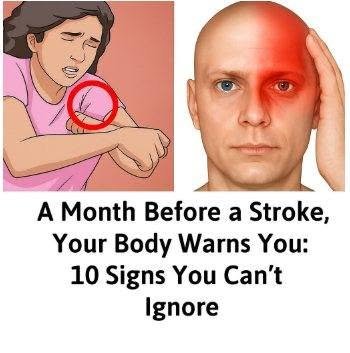
A stroke is a serious medical emergency that occurs when blood flow to part of the brain is interrupted or reduced. According to health experts, some people may experience warning signs or temporary symptoms in the days or weeks before a stroke occurs. Recognizing these potential warning signs and seeking prompt medical attention can make a significant difference.
It’s important to note that these symptoms do not always mean a stroke is coming, but they should never be ignored, especially if they occur suddenly or repeatedly.
1. Sudden Weakness on One Side of the Body
One of the most common warning signs is weakness or numbness affecting one side of the body.
This may involve:
- An arm
- A leg
- The face
- An entire side of the body
Even if the symptom disappears quickly, it requires immediate medical evaluation.
2. Temporary Vision Problems
Some individuals experience sudden vision changes before a stroke.
These may include:
- Blurred vision
- Double vision
- Partial vision loss
- Temporary blindness in one eye
Any unexplained vision change should be taken seriously.
3. Difficulty Speaking
Problems with speech may develop suddenly.
You might notice:
- Slurred speech
- Trouble finding words
- Difficulty understanding conversations
- Speaking incoherently
These symptoms may come and go but should never be ignored.
4. Severe Headaches
A sudden, intense headache unlike your usual headaches may sometimes occur before certain types of strokes.
Warning signs include:
- Sudden onset
- Extreme intensity
- Accompanying dizziness
- Nausea or vomiting
5. Dizziness or Loss of Balance
Frequent episodes of dizziness, imbalance, or difficulty walking may indicate reduced blood flow affecting the brain.
People may feel:
- Unsteady
- Lightheaded
- Off-balance
- Unable to coordinate movements normally
6. Facial Drooping
A noticeable droop on one side of the face is a classic stroke warning sign.
You may notice:
- Uneven smile
- Drooping eyelid
- Difficulty moving facial muscles
This symptom requires urgent medical attention.
7. Unexplained Fatigue
Some people report unusual fatigue or exhaustion before a stroke.
While fatigue alone is common and often harmless, sudden and unexplained extreme tiredness may warrant medical evaluation when combined with other symptoms.
8. Confusion or Memory Problems
Changes in thinking abilities may occur before a stroke.
Examples include:
- Sudden confusion
- Trouble concentrating
- Difficulty understanding information
- Memory disturbances
These symptoms should not be dismissed as simple forgetfulness.
9. Numbness or Tingling
Unexpected numbness or tingling sensations can occur in:
- Face
- Arms
- Hands
- Legs
- Feet
When these sensations affect only one side of the body, medical attention is especially important.
10. Transient Ischemic Attack (TIA)
A TIA, often called a “mini-stroke,” is one of the strongest warning signs that a full stroke could occur in the future.
Symptoms may include:
- Temporary weakness
- Vision problems
- Speech difficulties
- Dizziness
- Facial drooping
Even if symptoms disappear within minutes, emergency evaluation is essential.
The FAST Method
Remember the acronym FAST:
F — Face Drooping
Ask the person to smile.
A — Arm Weakness
Ask them to raise both arms.
S — Speech Difficulty
Listen for slurred or unusual speech.
T — Time to Call Emergency Services
If any symptom appears, seek emergency medical help immediately.
Stroke Risk Factors
Several factors increase stroke risk, including:
- High blood pressure
- Smoking
- Diabetes
- High cholesterol
- Obesity
- Physical inactivity
- Excessive alcohol use
- Family history of stroke
Managing these risk factors may help reduce stroke risk.
When to Seek Emergency Care
Call emergency services immediately if you experience:
- Sudden facial drooping
- One-sided weakness
- Speech difficulties
- Vision loss
- Severe unexplained headache
- Loss of coordination
Do not wait for symptoms to improve on their own.
Final Thoughts
While some people experience warning symptoms before a stroke, others may have no advance warning at all. Recognizing potential signs and acting quickly can help improve outcomes and potentially save lives. If you or someone you know experiences sudden neurological symptoms, seek emergency medical attention immediately.