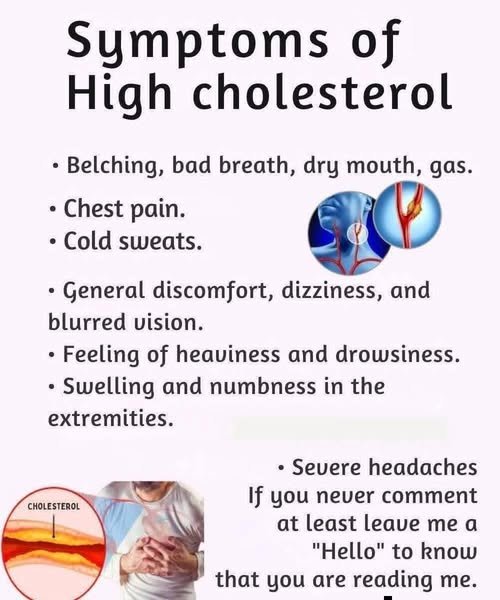
High cholesterol is often called a “silent condition” because it usually causes no noticeable symptoms. Many people don’t know they have high cholesterol until a blood test reveals it or until it contributes to serious health problems such as a heart attack or stroke. The good news is that cholesterol levels can be managed through healthy lifestyle choices and, when needed, medication.
What Is Cholesterol?
Cholesterol is a waxy, fat-like substance found in every cell of your body. It is essential for producing hormones, vitamin D, and substances that help digest food. Your body makes all the cholesterol it needs, but it also comes from certain foods.
There are two main types:
- LDL (Low-Density Lipoprotein): Often called “bad” cholesterol because high levels can lead to plaque buildup in your arteries.
- HDL (High-Density Lipoprotein): Known as “good” cholesterol because it helps remove excess cholesterol from the bloodstream.
High levels of LDL cholesterol can increase the risk of cardiovascular disease over time.
Why Is High Cholesterol Called a Silent Condition?
Unlike many illnesses, high cholesterol usually doesn’t cause pain or obvious warning signs. Plaque can gradually build up inside arteries for years without symptoms. Problems often appear only after blood flow becomes significantly reduced or blocked.
Warning Signs of Complications
While high cholesterol itself usually has no symptoms, complications caused by narrowed or blocked arteries may include:
Chest Pain (Angina)
Reduced blood flow to the heart may cause:
- Pressure or tightness in the chest
- Pain during physical activity or emotional stress
- Discomfort that improves with rest
Heart Attack Symptoms
Seek emergency medical care immediately if you experience:
- Severe chest pain or pressure
- Pain spreading to the arm, shoulder, neck, jaw, or back
- Shortness of breath
- Cold sweat
- Nausea or vomiting
- Lightheadedness
Stroke Symptoms
Call emergency services immediately if someone develops:
- Sudden weakness or numbness on one side of the body
- Trouble speaking or understanding speech
- Sudden vision problems
- Severe headache
- Loss of balance or coordination
Peripheral Artery Disease (PAD)
Reduced blood flow to the legs may cause:
- Leg pain while walking that improves with rest
- Cold feet or lower legs
- Slow-healing sores on the legs or feet
- Weak pulses in the feet
Physical Signs That May Be Associated
Some people—especially those with inherited cholesterol disorders—may develop visible signs such as:
Yellow Fatty Deposits (Xanthomas)
Small yellowish bumps or nodules may appear on:
- Elbows
- Knees
- Hands
- Achilles tendon
These deposits are more common in people with familial hypercholesterolemia, an inherited condition that causes very high LDL cholesterol.
Cholesterol Deposits Around the Eyes (Xanthelasma)
Soft, yellowish plaques on or around the eyelids can be associated with high cholesterol, although they may also occur in people with normal cholesterol levels.
Gray or White Ring Around the Cornea
A gray or white ring around the edge of the cornea (called corneal arcus) can occur with aging. In younger adults, it may suggest very high cholesterol and should be evaluated by a healthcare professional.
Risk Factors
You may be at higher risk if you:
- Eat a diet high in saturated or trans fats
- Have obesity
- Exercise very little
- Smoke
- Have diabetes
- Have high blood pressure
- Have a family history of high cholesterol or early heart disease
- Are getting older
How Is High Cholesterol Diagnosed?
Because it usually causes no symptoms, the only reliable way to know your cholesterol level is with a blood lipid panel, which measures:
- Total cholesterol
- LDL cholesterol
- HDL cholesterol
- Triglycerides
Your healthcare provider can recommend how often you should be tested based on your age and risk factors.
Tips to Help Lower Cholesterol
Healthy lifestyle habits can make a significant difference:
- Eat more fruits, vegetables, whole grains, beans, and nuts.
- Choose healthy fats such as olive oil, avocados, and fatty fish.
- Limit foods high in saturated and trans fats.
- Exercise for at least 150 minutes of moderate-intensity activity per week.
- Maintain a healthy weight.
- Don’t smoke.
- Limit alcohol, if you drink.
- Take cholesterol-lowering medication if prescribed by your healthcare provider.
Foods That May Support Healthy Cholesterol Levels
Include more of these foods in your diet:
- Oats and barley
- Beans and lentils
- Apples and pears
- Berries
- Leafy green vegetables
- Almonds and walnuts
- Fatty fish such as salmon, sardines, and mackerel
- Olive oil
- Avocados