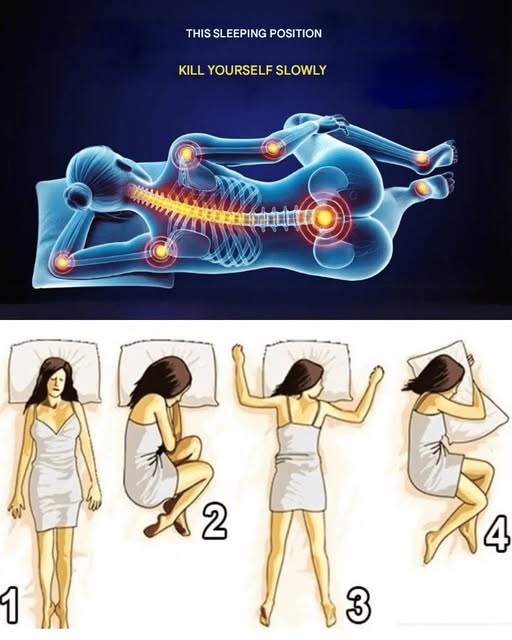
Sleep position can affect comfort, breathing, spine alignment, snoring, acid reflux, and even how rested you feel in the morning. While there isn’t one universally “most dangerous” sleeping position for everyone, sleeping flat on your back can be problematic for some people, especially those with sleep apnea, heavy snoring, pregnancy, or acid reflux. In other cases, stomach sleeping can strain the neck and lower back.
The real issue is that the “worst” position depends on your health, body type, and symptoms. Still, many people don’t realize that a position that feels comfortable may quietly worsen sleep quality over time.
Why Back Sleeping Can Be Risky for Some People
When lying flat on the back, gravity can cause the tongue and soft tissues in the throat to fall backward, narrowing the airway. This can worsen:
- Loud snoring
- Obstructive Sleep Apnea symptoms
- Frequent waking during the night
- Daytime fatigue
- Poor oxygen levels during sleep
Back sleeping can also worsen acid reflux in some people, especially after late meals.
Why Stomach Sleeping Can Also Be a Problem
Sleeping on the stomach may reduce snoring for some people, but it often creates other issues:
- Neck twisting for hours at a time
- Lower back strain
- Shoulder discomfort
- Facial pressure and skin creasing
- Numbness or tingling in arms
Often the Best Choice: Side Sleeping
For many adults, side sleeping is the most balanced option. It may help with:
- Better airway support
- Reduced snoring
- Improved comfort during pregnancy
- Less reflux (especially left-side sleeping for some people)
- Better spinal support with the right pillow
Special Cases
Pregnancy
Side sleeping, especially later in pregnancy, is commonly recommended for comfort and circulation.
Sleep Apnea
People with suspected sleep apnea often snore loudly, gasp, wake tired, or have headaches. Position changes can help, but medical evaluation matters.
Acid Reflux
Avoid lying down right after eating. Some people find left-side sleeping more comfortable.
Signs Your Sleep Position May Be Hurting You
- Wake with neck or back pain
- Snoring or choking sounds
- Morning headaches
- Numb arms or sore shoulders
- Frequent night waking
- Still tired after full sleep
How to Improve Your Sleep Position
- Use a supportive pillow for your neck
- Place a pillow between knees when side sleeping
- Use a wedge pillow if reflux is an issue
- Try body pillows to stay on your side
- Replace sagging mattresses if needed
Important Note
If you have loud snoring, pauses in breathing, severe daytime sleepiness, chest symptoms, or chronic pain, it’s worth speaking with a healthcare professional. These can signal treatable sleep or health conditions.
Conclusion
The “most dangerous” sleeping position is usually the one that worsens your breathing, pain, or sleep quality. For many people, flat back sleeping can quietly aggravate snoring or sleep apnea, while stomach sleeping may strain the spine. Side sleeping is often the safest all-around option, but the best position is the one that supports healthy, restorative sleep for your body.
