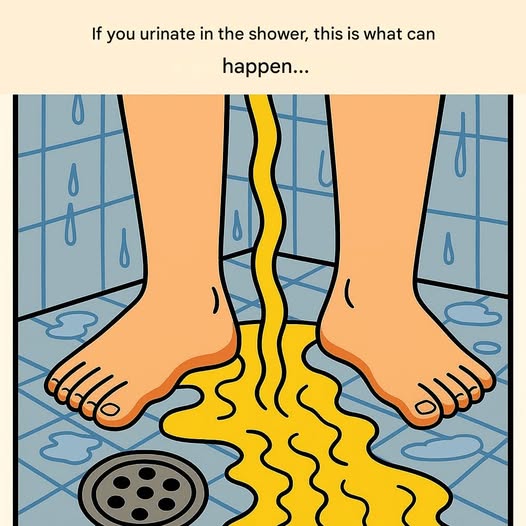
Peeing in the shower is one of those habits many people rarely talk about, yet it’s more common than most admit. Some people do it for convenience, others believe it saves water, and some are curious whether there are health benefits or risks. While it may sound shocking or humorous, the real effects are usually practical rather than dramatic.
So what actually happens if you pee in the shower? The answer depends on hygiene, plumbing, personal habits, and health factors.
1. It Usually Goes Straight Down the Drain
From a plumbing standpoint, urine is mostly water with dissolved waste products such as urea and salts. In a functioning shower drain, it typically washes away with running water.
2. It May Save a Small Amount of Water
If someone urinates during a shower instead of flushing a toilet, it can reduce one toilet flush. Over time, that may save some water depending on the toilet type and household habits.
3. Urine Is Usually Sterile in the Bladder—but Not a Cleaner
Fresh urine inside the bladder is generally low-risk in healthy individuals, but once it leaves the body it can pick up bacteria from the skin or urinary tract. It should not be considered a disinfectant or cleaning product.
4. Hygiene Depends on Rinsing
If urine is left on feet, surfaces, or shower floors without rinsing, odors and residue may develop. Running water and regular cleaning matter.
5. It Can Reinforce a Habit Trigger
Some people find that hearing running water begins to trigger an urge to urinate more strongly. This is a learned association, not necessarily harmful, but it can be inconvenient for some.
6. Public or Shared Showers Are Different
In shared showers (gyms, dorms, pools), hygiene expectations and etiquette matter more. Many people would consider it inappropriate in communal spaces.
Common Myths
Myth: It cures foot fungus
There is no reliable evidence that urinating on feet treats fungal infections. Athlete’s foot is better treated with proven antifungal medications.
Myth: It’s dangerous for plumbing
In normal household plumbing, occasional urine with running water is generally not a problem.
Myth: Something magical happens
There are no special detox, anti-aging, or miracle benefits.
When It Might Matter Medically
If urination burns, smells unusually strong, contains blood, or becomes urgent/frequent, those symptoms may point to issues like dehydration or Urinary Tract Infection and should be evaluated.
Conclusion
If you pee in the shower, the most likely things that happen are simple: it goes down the drain, may save a flush, and requires normal rinsing and cleaning. The effects are practical—not miraculous. Good hygiene and awareness of shared spaces matter more than the act itself.
