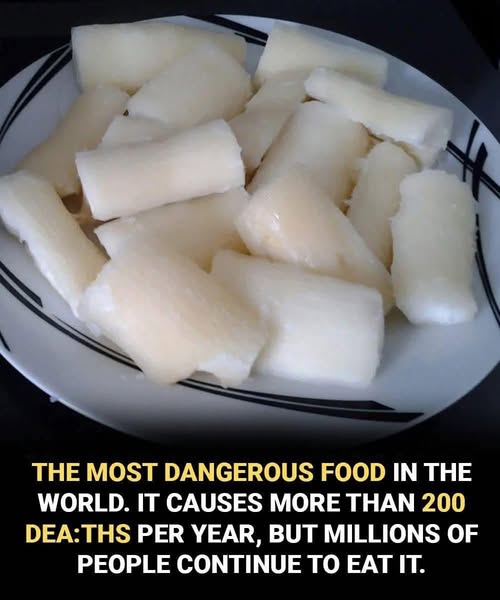
Cassava (also called yuca, manioc, or mandioca) is a starchy root vegetable widely eaten in Africa, Asia, Latin America, and the Caribbean. It’s naturally rich in carbohydrates, making it a filling and versatile ingredient used in fries, stews, flour, and traditional dishes.
However, cassava must be prepared properly before eating because raw cassava contains natural compounds that can release cyanide if not cooked correctly. The good news is that proper peeling, soaking (in some cases), and thorough cooking makes it completely safe and delicious.
Important Safety Note
Never eat cassava raw. Always:
- Peel it completely
- Remove woody fibers inside
- Cook it thoroughly (boil, bake, fry, or steam)
Sweet cassava (most commonly sold in grocery stores) is safe when cooked properly. Bitter cassava requires extra processing and is less common in supermarkets.
Step 1: Choosing Cassava
Look for:
- Firm, heavy roots
- Smooth skin without soft spots or mold
- No strong sour smell
Avoid cassava that feels spongy or has cracks and discoloration.
Step 2: Peeling Cassava Properly
Cassava has a thick, waxy skin.
- Cut the root into manageable sections
- Slice lengthwise through the skin
- Pry off the outer brown skin and the pinkish layer underneath
- Rinse thoroughly
Tip: Always remove all outer layers—this is important for safety and taste.
Step 3: Cutting and Preparing
After peeling:
- Cut into chunks or sticks
- Remove the tough fibrous core (if present in the center)
Step 4: Boiling Cassava (Basic Safe Method)
Ingredients:
- Peeled cassava pieces
- Water
- Salt (optional)
Instructions:
- Place cassava in a pot and cover with water
- Add a pinch of salt
- Bring to a boil
- Cook for 20–30 minutes or until soft and fork-tender
- Drain and let cool slightly
Boiled cassava is now safe to eat or use in recipes.
Step 5: Popular Cooking Methods
1. Fried Cassava (Cassava Fries)
After boiling:
- Cut into strips
- Fry in hot oil until golden and crispy
- Sprinkle with salt or spices
Result: Crispy outside, soft inside—similar to fries.
2. Baked Cassava
- Toss boiled cassava with oil, garlic, and spices
- Bake at 200°C (400°F) until slightly crispy
3. Mashed Cassava
- Mash boiled cassava with butter, salt, and garlic
- Similar texture to mashed potatoes but denser
4. Cassava Stew Add-In
- Add boiled chunks into soups or stews
- It absorbs flavors well and thickens dishes
Step 6: Nutritional Facts (Approximate per 100g cooked cassava)
- Calories: 160
- Carbohydrates: 38g
- Protein: 1–2g
- Fat: 0g
- Fiber: 1–2g
- Naturally gluten-free
Cassava is energy-dense but low in protein and fat, so it’s best paired with protein-rich foods.
Health Benefits
- Provides long-lasting energy
- Naturally gluten-free (good for sensitive diets)
- Versatile in cooking
- Fills you up quickly
Tips for Best Results
- Always cook thoroughly—never undercook
- Remove fibrous core for better texture
- Use fresh cassava within a few days of purchase
- Pair with protein and vegetables for balanced meals
- Don’t reuse boiling water
Common Mistakes to Avoid
- Eating raw or undercooked cassava
- Skipping peeling
- Not removing woody center fibers
- Overcooking until mushy
Final Thoughts
Cassava is a delicious and satisfying root vegetable when prepared correctly. With proper peeling and thorough cooking, it becomes a versatile ingredient that can be fried, boiled, baked, or added to stews. Simple steps make it both safe and enjoyable, turning it into a comforting staple in many cuisines around the world.