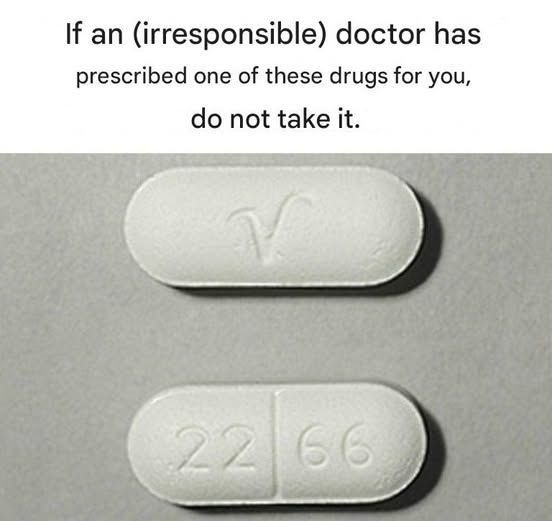
Prescription medications can be life-changing and sometimes life-saving. They help manage pain, infections, blood pressure, diabetes, anxiety, heart disease, and many other conditions. But every medication also comes with potential side effects, interactions, and precautions. That is why dramatic headlines like “If a doctor ever prescribed you one of these medications, read this immediately” often spread quickly online.
The truth is: there is no universal list of medicines everyone should suddenly fear. What matters is understanding how to use medications safely, knowing when to ask questions, and recognizing warning signs that need attention.
Important First Message: Do Not Stop Medications Suddenly
Many medicines should not be stopped abruptly without medical guidance. Suddenly stopping some drugs can lead to rebound symptoms, withdrawal, worsening disease, or dangerous complications.
Examples may include:
- Blood pressure medicines
- Steroids
- Antidepressants
- Anti-anxiety medicines
- Seizure medicines
- Heart rhythm medicines
- Diabetes medications
If you have concerns, the safest move is to speak with the prescriber or pharmacist first.
Common Medication Categories People Often Ask About
1. Pain Medications
Some pain relievers can irritate the stomach, affect kidneys, raise bleeding risk, or cause drowsiness depending on the type.
Examples include anti-inflammatory medicines and opioid medications.
2. Antibiotics
These can be extremely important when truly needed, but unnecessary use may cause side effects or antibiotic resistance.
Always complete them exactly as prescribed unless your clinician advises otherwise.
3. Blood Pressure Medications
These help protect the heart, brain, and kidneys. Side effects vary by type and may include dizziness, cough, swelling, or fatigue.
4. Cholesterol Medications
Many people tolerate them well, but some may experience muscle aches or liver-related monitoring needs.
5. Diabetes Medications
Different types work in different ways. Some may cause low blood sugar, digestive upset, dehydration, or other effects depending on the drug.
6. Sleep or Anxiety Medications
These can sometimes cause drowsiness, falls, memory issues, or dependence risk—especially in older adults or when mixed with alcohol.
7. Acid Reflux Medications
Often helpful when appropriately used, but long-term use should be periodically reviewed depending on the medication and situation.
Signs You Should Contact a Healthcare Professional Promptly
Seek medical advice if you notice:
- Rash or swelling
- Trouble breathing
- Severe dizziness or fainting
- Confusion
- Chest pain
- Black stools or bleeding
- Sudden weakness
- Persistent vomiting
- Severe allergic reaction symptoms
- New major mood changes
Urgent symptoms may require emergency care.
Questions Everyone Should Ask About a New Prescription
When starting a medicine, ask:
- What is this for?
- How and when do I take it?
- What side effects are common?
- What serious side effects are rare but important?
- Should I avoid alcohol or certain foods?
- Does it interact with my other medications or supplements?
- How long do I need it?
- What if I miss a dose?
Watch for Drug Interactions
Even common over-the-counter products can interact with prescriptions, including:
- Pain relievers
- Antacids
- Herbal supplements
- Sleep aids
- Cold medicines
- Vitamins
Always disclose everything you take.
Beware of Scary Viral Headlines
Articles that say “Doctors won’t tell you this” or “These meds are poison” often oversimplify complex medical decisions. A medication that is risky for one person may be highly beneficial for another.
Medicine decisions are based on:
- Your diagnosis
- Age
- Kidney/liver function
- Other diseases
- Other medications
- Pregnancy status
- Allergies
- Risk vs benefit balance
Best Safety Habits
- Use one pharmacy when possible
- Keep an updated medication list
- Take medicines exactly as directed
- Store properly
- Attend follow-up appointments
- Ask before stopping or changing doses
