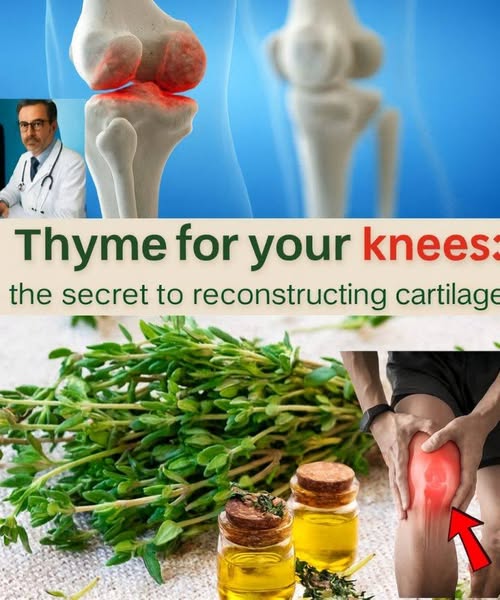
Thyme is a flavorful herb widely used in cooking and traditional herbal practices. It contains aromatic compounds and antioxidants, which is why it is often promoted online for many health benefits. However, claims that thyme can regenerate cartilage or directly rebuild knees are not supported by strong clinical evidence.
Thyme can be part of a healthy diet and may support overall wellness, but it is not a proven cure for arthritis or damaged cartilage.
What Thyme Actually Contains
Thyme includes plant compounds such as:
- Thymol – a natural aromatic compound
- Carvacrol – found in some herbs
- Antioxidants – help protect cells from oxidative stress
- Small amounts of vitamins and minerals
These compounds may have anti-inflammatory or antimicrobial properties in laboratory settings, but that is different from restoring joint cartilage in humans.
Can Cartilage Be Regenerated by an Herb?
Cartilage is specialized tissue with limited self-repair capacity. Meaningful cartilage repair usually depends on:
- Injury severity
- Body weight and joint load
- Physical therapy
- Strength training
- Pain/inflammation management
- Medical treatments
- In some cases, surgical procedures
No common kitchen herb has been proven to regrow worn cartilage simply by eating or drinking it.
How Thyme May Still Help Indirectly
While it doesn’t rebuild cartilage, thyme may still be useful in a healthy routine:
1. Supports a Nutritious Diet
Using herbs like thyme can add flavor without excess salt or sugary sauces.
2. May Contribute Antioxidants
A diet rich in herbs, vegetables, fruits, and legumes supports overall health.
3. Encourages Home Cooking
People who cook more at home often eat healthier overall.
4. Warm Herbal Tea Can Feel Comforting
Thyme tea may be soothing as part of hydration and relaxation habits.
What Actually Strengthens Knees
If your goal is stronger, healthier knees, evidence-based strategies help far more:
Strengthen Supporting Muscles
Focus on:
- Quadriceps
- Hamstrings
- Glutes
- Calves
Maintain Healthy Body Weight
Even modest weight reduction can reduce knee load.
Low-Impact Movement
- Walking
- Cycling
- Swimming
- Controlled strength training
Mobility Work
Gentle stretching and range-of-motion exercises can help function.
Medical Evaluation
Persistent swelling, locking, instability, or severe pain should be assessed professionally.
Supportive Foods for Joint Health
No single food cures joints, but patterns matter:
- Oily fish
- Olive oil
- Beans
- Nuts and seeds
- Vegetables
- Berries
- Protein-rich foods
- Adequate vitamin D/calcium if needed
Simple Thyme Uses
If you enjoy thyme, try:
- Add to roasted vegetables
- Season chicken or fish
- Stir into soups
- Brew mild thyme tea
- Mix into olive oil marinades
Important Note
If knee pain is due to osteoarthritis, injury, gout, infection, or autoimmune disease, relying only on herbal claims can delay effective treatment.
